River
The Kuzuryu River: 1 Live Camera in Japan
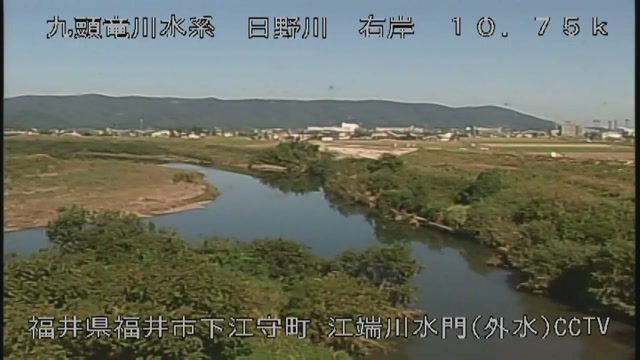
The river that carries meltwater from Mount Haku down to the Fukui plain, on a Ministry of Land, Infrastructure and Transport live stream. The Hino, a tributary, is on the same feed.
What you can see
The Kuzuryu is the river that built the Fukui plain. It brings mountain water down, takes in the Hino and the Asuwa, and reaches the Sea of Japan. The feed includes points on the Hino.
What sets it apart is that snow is one of the reasons it rises. Every river rises with rain; this one, with snowy mountains upstream, rises simply because the temperature went up in early spring. Cloudy water running on a day with no rain usually means snow is melting up there.
The feed rotates through a series of points along the river.
Snow lying on the mountains upstream works as a natural reservoir. Fukui sits on the side that takes the damp winter wind off the Sea of Japan, and several metres of snow pile up around Mount Haku. Because that snow leaves gradually from spring into early summer rather than all at once, this river keeps running even through spells without rain. Compared with rivers in regions that get little snow and thin out in summer, the source of the flow is different to begin with.
Cameras you can watch now: 1
All 1 are live video. Tap one to open it in the camera list.
-
 Sample October 2026
Kuzuryu and Hino Rivers
Fukui · River
They carry snowmelt from Mount Haku onto the Fukui plain. Levels rise easily in early spring as the snow goes.
When to watch
March and April show it most clearly — the melt season, and the more warm clear days in a row, the more water. It gives you the inverted reading of a normal river: it rises after fine weather, not after rain.
Summer and autumn run clear enough to see the stones on the riverbed. In winter, snow can whiten the lens.
The feed is experimental and can stop without notice. Take evacuation decisions from your local authority.
If it isn't showing
This is a cycling feed: one video steps through points along the river in turn. The Hino River points are in the same feed, so you wait for the place you want and cannot choose the order. On a snowy day the lens goes white, and at night almost nothing shows. The feed is a trial service and can stop without notice.
Fukui has 13 cameras, but only two of them look at nature — this one and the waterbirds on Lake Mikata. The other eleven are station forecourts and intersections. The Fukui page lists all of them. Lake Mikata is also gathered on Wintering Swans.
Where this water comes from is visible on Mount Hakusan: how much snow is on the mountain and how high the river runs in spring are the same fact. When the mountains first go white is on First Snowcap. For another river of similar character emptying into the Sea of Japan, see The Yura River.
Where to find The Kuzuryu River
Agencies publishing the cameras on this page
- MLIT river live streams (Government Standard Terms 2.0) — Official site
The footage belongs to each agency. This site is an unofficial guide, and each sample frame was copied once per camera under that agency's terms of use.